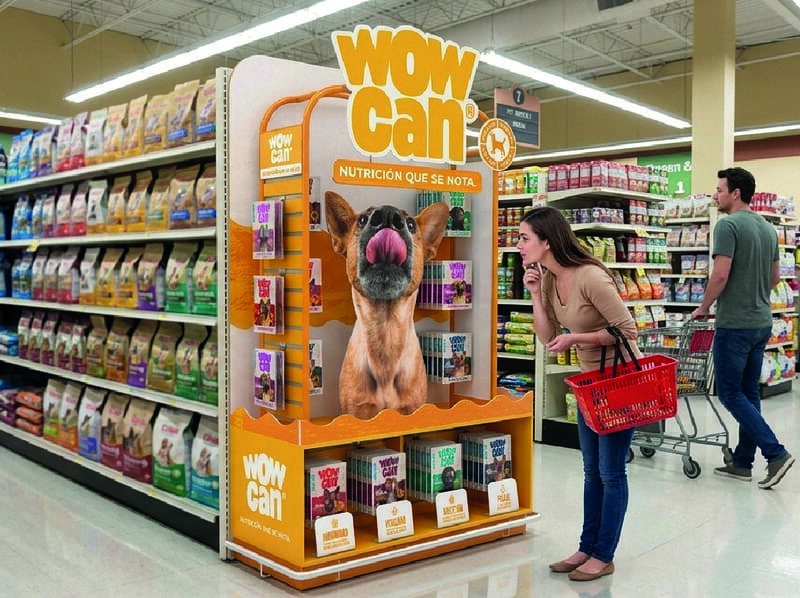


Transforming customer experiences requires staying ahead of competition, anticipating future needs, fostering customer loyalty, and adapting to digital change. Brands that innovate, personalize interactions, and integrate seamless physical and digital experiences can build stronger relationships, increase loyalty, and achieve sustainable growth.
Customer experience transformation is the process of redesigning every brand touchpoint, from the first digital impression to the moment a shopper reaches for your product, so the experience feels consistent, intentional and memorable. For FMCG brands, it comes down to four decisions: staying ahead of your category, anticipating demand, engineering loyalty, and connecting digital and physical moments.
Most brands treat customer experience as a marketing department topic. In fast moving consumer goods, it is a retail execution topic. Your shopper may discover you on social media, compare you on a phone, and decide in four seconds in front of a shelf. If that final moment feels cheap, cluttered or invisible, everything upstream was wasted budget. That is why working with specialized custom display manufacturers changes the equation: the display is not decoration, it is the physical interface of your brand.
After more than 20 years building point of sale solutions for consumer brands across international markets, one pattern repeats in every category. Brands that win are not the ones with the biggest media budget. They are the ones whose in store presence matches the promise they made online.
Why Customer Experience Management Starts at the Point of Sale
Customer experience management is usually built around CRM data, service metrics and post purchase surveys. In FMCG, that model has a blind spot: you rarely own the transaction. The retailer does. Your only direct conversation with the shopper happens in the aisle.
That changes what you should measure. Instead of only tracking satisfaction after purchase, track how your brand behaves in the moments before it. Is your product visible from three meters away? Does your secondary placement explain the benefit without a single word? Does your display survive a Saturday afternoon without collapsing?
A well built customer experience strategy for consumer goods treats the shelf as a channel with its own KPIs: visibility share, dwell time, interaction rate and out of stock recovery. When you manage those variables, the rest of the funnel gets cheaper.
Custom Retail Display Manufacturers
Ready to boost in-store impact?
Let’s design a customized POP display that makes shoppers stop, look, and buy. From concept to production, we bring your brand to life at the point of sale.
Tell us your product, retail channel, and campaign timeline — we’ll recommend the best display format.
What you’ll get
- Display concept aligned with your brand
- Material & structure recommendations
- Production-ready plan and timeline
Stay Ahead of the Category Instead of Reacting to It
Competition in FMCG is not won with a better claim on the packaging. It is won with presence in places your competitor has not thought about yet.
Think about a beverage brand entering a market where three players already dominate the cold section. Fighting for that same door is expensive and slow. The faster move is claiming an uncontested space: a chilled unit near the checkout, a themed island during a local holiday, a countertop unit in convenience stores where the category has no dedicated furniture.
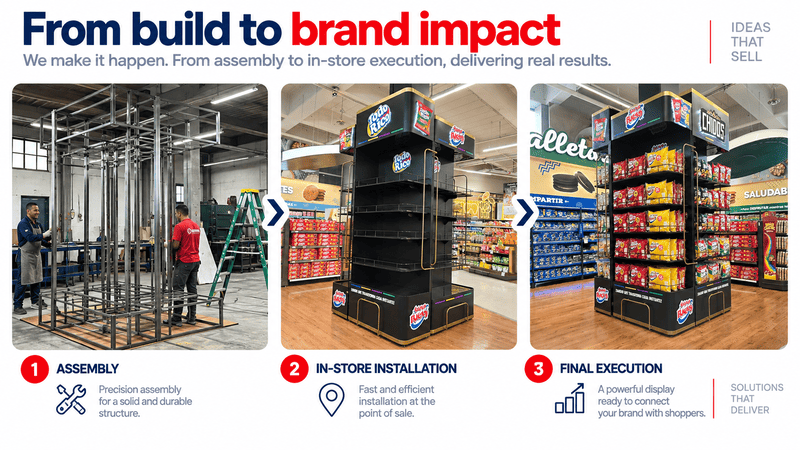
That requires production capacity, materials knowledge and speed. Design is only half the job. The other half is manufacturing something that can be replicated across hundreds of stores without losing quality.

Anticipate Future Needs Before Your Category Does
Transformation is not only about solving today’s friction. It is about reading where the shopper is heading.
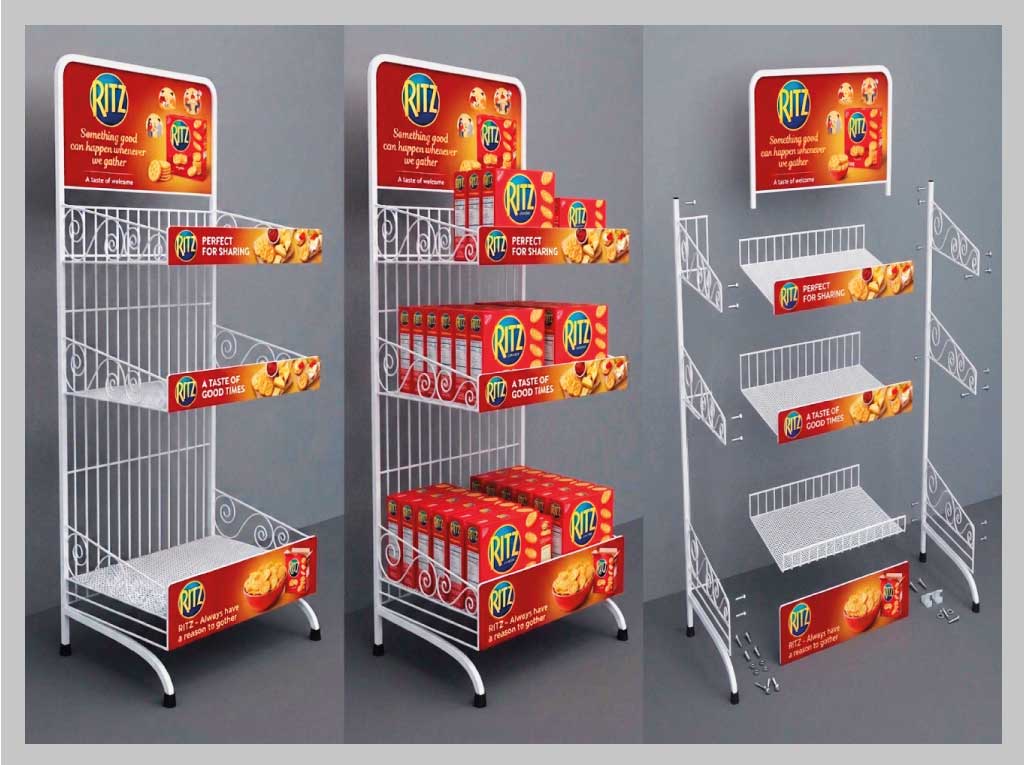
Sustainability requirements, smaller format stores, faster promotional cycles and hybrid purchase behavior are already reshaping how displays are designed. Brands that plan for recyclable materials, modular structures and quick assembly now will not be rebuilding their entire POS system in two years.
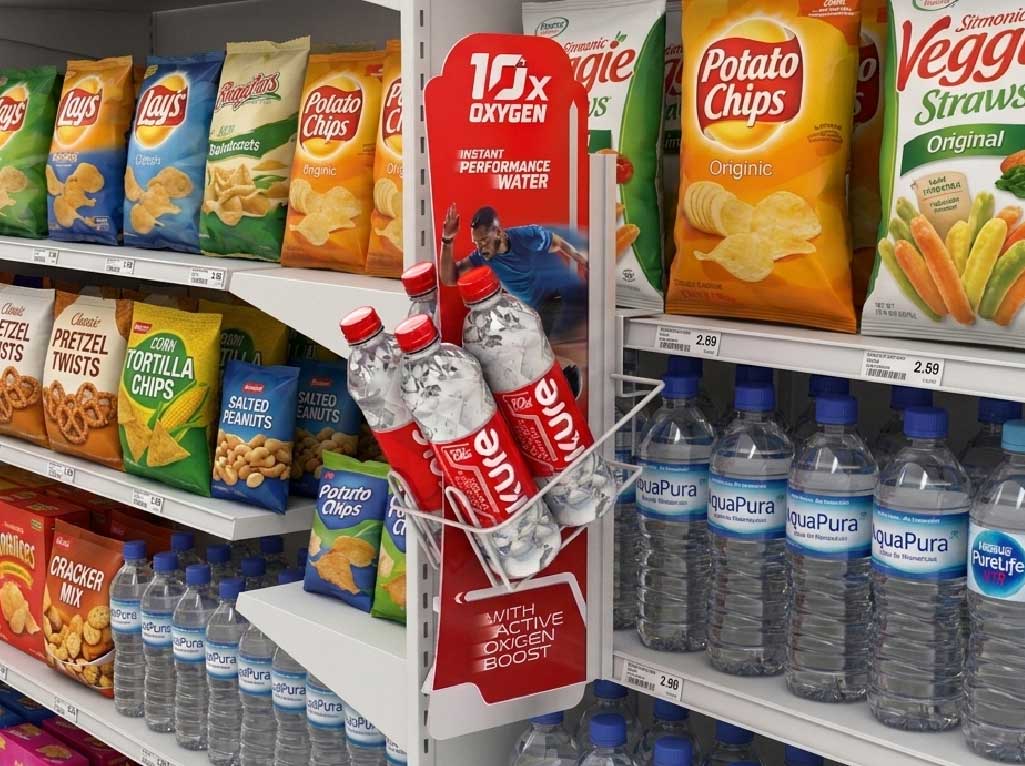
This is also where customer journey mapping earns its budget. Mapping the journey lets you see which moments actually change the decision. In most consumer categories, the highest impact touchpoint is not the ad. It is the second placement outside the natural aisle, which is exactly why end cap displays ideas deserve real strategic attention rather than being treated as leftover space.
Build Loyalty Into the Store Experience, Not Just the Loyalty Program
Loyalty in FMCG is fragile. A shopper who cannot find your product will buy the alternative without emotional conflict.
That is why repeatable in store execution matters more than points programs for most consumer brands. Consistency builds recognition, recognition builds habit, and habit is what loyalty looks like in a supermarket.
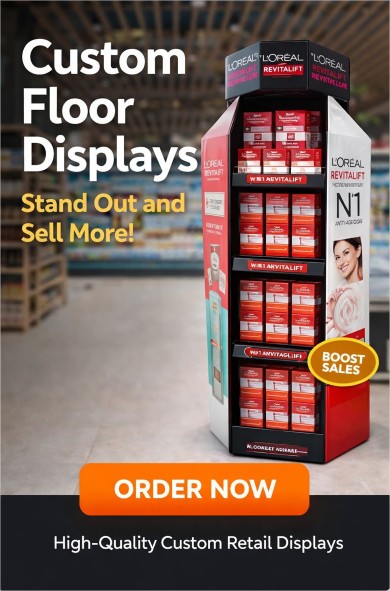
Design thinking helps here, but only when it reaches production. A concept that looks brilliant in a presentation and fails in a store with narrow aisles and limited staff is not a solution. Practical formats such as floor display stands work because they combine visibility with a footprint retailers actually approve.
Connect the Digital Customer Experience With the Physical Aisle
The digital customer experience has raised expectations for everything that happens offline. Shoppers now expect the same clarity, personalization and speed they get from an app.
The brands closing that gap are doing simple things well. QR codes that lead to a recipe instead of a homepage. Displays that mirror the exact visual language of a current campaign. Regional messaging on units placed in specific store clusters. Promotional structures that can be updated in weeks, not quarters.
The goal is continuity. When a shopper sees online and finds the same story in store, trust compounds.

LA BOULANGERE FLOOR DISPLAY
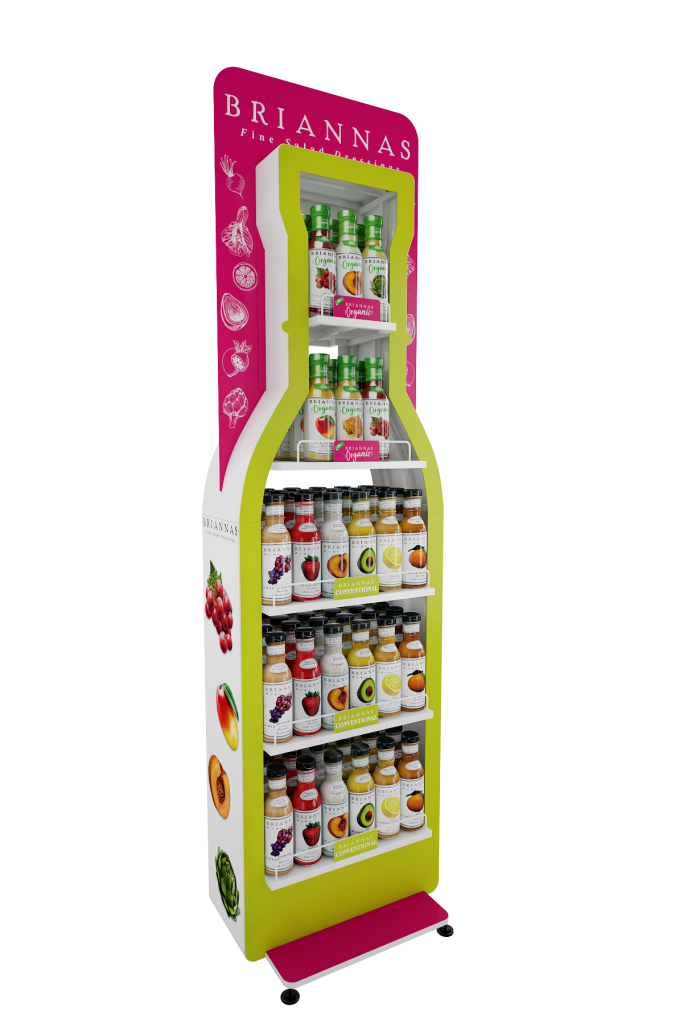
BRIANNAS FLOOR DISPLAY
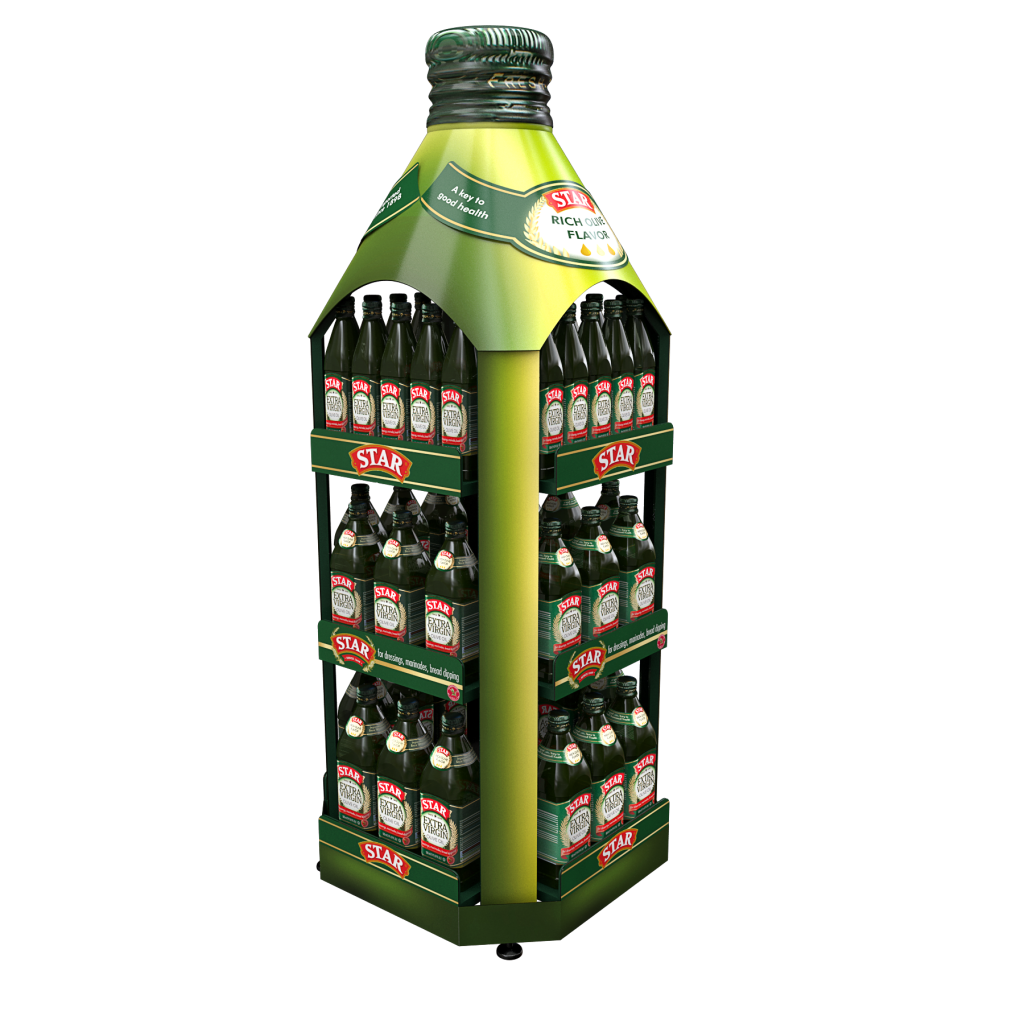
BORGES FLOOR DISPLAY
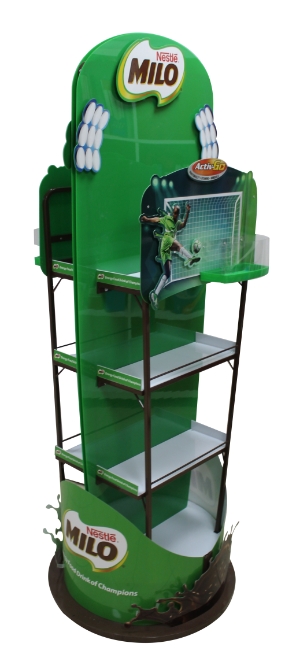
Milo Floor Display

Fernleaf DUMP BIN DISPLAY
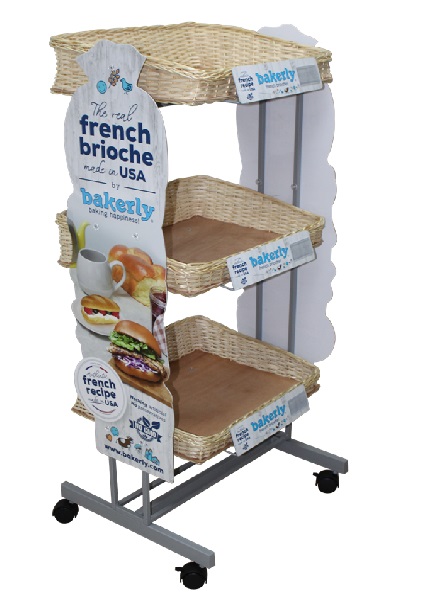
French Brioche Floor Display
How to Improve Customer Experience in Retail: Five Practical Moves
If you are looking for a concrete answer to how to improve customer experience at the point of sale, start here:
Audit your current visibility. Walk five stores and photograph your brand as a shopper sees it, not as the planogram describes it.
Identify your weakest moment. Usually it is the transition between promotion and shelf, where the message disappears.
Prioritize secondary placement. Additional exposure outside the natural aisle consistently outperforms shelf optimization alone.
Design for the real store. Consider aisle width, staff availability, humidity, restocking frequency and assembly time.
Measure and iterate by cluster. What works in a hypermarket rarely works in a neighborhood store.

Where to Start
Customer experience transformation does not begin with a new platform. It begins with an honest look at how your brand behaves in the last three meters before the purchase decision.
If your in store presence does not match the experience you promise everywhere else, that gap is your biggest and most fixable opportunity.