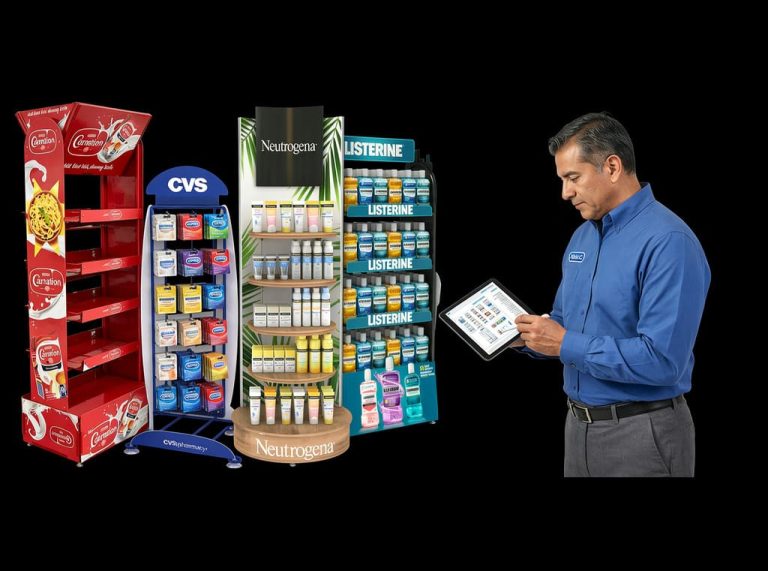
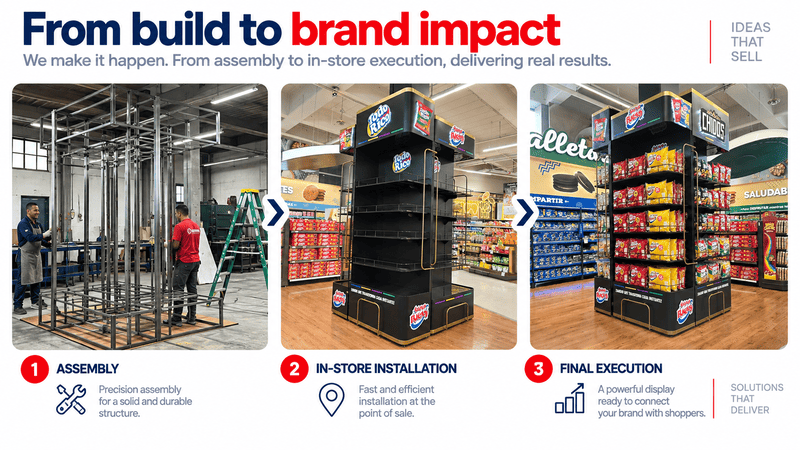
The retail display manufacturing process turns a commercial objective into a physical display through six connected stages: brief, conceptual design, engineering and prototyping, production, logistics, and in-store installation. When every stage is planned with the shopper, retailer, and supply chain in mind, the display arrives on time, fits the store, and starts selling from day one.
Why So Many Displays Fail Before They Reach the Shelf
If you work in trade marketing or brand management, you have probably experienced this scenario. The render looked flawless, the budget was approved, and then the display arrived at the store with a shelf that could not support the product weight, a footprint the retailer would not accept, or an assembly process so complex that the field team left it in the stockroom.
None of that is an isolated design problem. It is a process problem. Most POP displays underperform because the brief was vague, engineering was skipped, or no one validated the display against real store conditions. A well-executed retail display manufacturing process exists to close those gaps, whether you are producing a countertop glorifier, a full endcap, or a multi-sided display rack designed to sit beside a gondola for two years.
In this article, you will go through each stage so you know what to expect, what to ask your supplier, and where the real risks are.
Stage One Starts with a Brief That Answers the Right Questions
A good brief is the strongest predictor of a successful project. Before anyone opens a design tool, your retail display manufacturers should be able to answer these questions with you.
What Is the Display Supposed to Do, and Who Decides Whether It Stays?
Define the commercial job. Is it a launch piece, a secondary placement designed to gain additional facings, or a permanent brand block? Then identify the retailer’s approval path. A display that the brand team loves but that fails to meet the category manager’s rules will never be installed.
Where Will It Live, and for How Long?
The store area, available floor space, traffic flow, and duration all change the specification. A promotional piece for a four-week campaign has a very different material and cost logic from a permanent fixture that must withstand replenishment, cleaning crews, and pallet jacks.
What Does the Product Really Need?
Weights, dimensions, packaging orientation, facings per SKU, and replenishment frequency. These inputs define shelf loads, tilt angles, and bin depth. Guessing here is the source of most structural failures.
Stage Two Translates the Brief into a Concept That Sells
Once the brief is finalized, the design team develops concepts and 3D renders. This is where custom retail displays differentiate themselves from off-the-shelf fixtures. The goal is not a beautiful object. The goal is a piece that stops the shopper, communicates the brand message in seconds, and makes the product easy to pick up.
At this stage, you should expect planogram integration, material proposals, graphic zones, and, whenever possible, alternative design directions. A product management director and Diforma Group client described receiving several proposals with different artwork and renders within one week, followed by fast adjustments. That speed is only possible when stage one was done well.
Stage Three Is Where Engineering Protects Your Investment
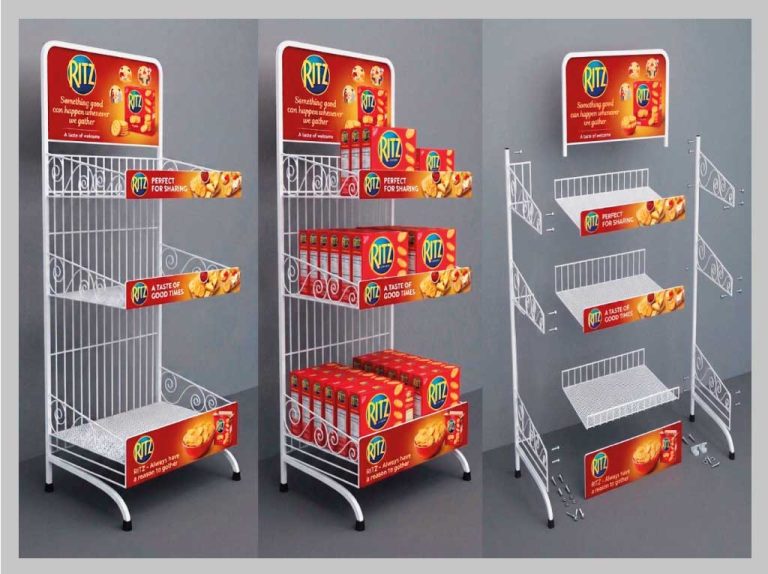
Concept approval is not production approval. Engineering turns the design into manufacturable drawings, selects materials (metal, plastics, corrugated board, wood, or hybrids), and defines the assembly logic. Then comes the prototype.
Never skip the prototype. It is the only point where you can load real product, test stability, verify that the graphics are readable from three meters away, and time the assembly with someone who has never seen the piece before. Structural changes cost almost nothing here and become extremely expensive after tooling and mass production have started.
Custom Retail Display Manufacturers
Ready to boost in-store impact?
Let’s design a customized POP display that makes shoppers stop, look, and buy. From concept to production, we bring your brand to life at the point of sale.
Tell us your product, retail channel, and campaign timeline — we’ll recommend the best display format.
What you’ll get
- Display concept aligned with your brand
- Material & structure recommendations
- Production-ready plan and timeline
Stage Four Covers Production, Quality Control, and Finishes
Once the prototype is approved, production scales up. Serious retail display manufacturers carry out checks when materials are received, during manufacturing, and before packing. Ask for the checklist. Color consistency across a large run, weld integrity in metal structures, print registration, and coating durability are the details that separate a premium-looking display from one that looks worn after a month.
For retail store fixtures intended for multiple countries, this is also the stage to align standards and regulations, along with any retailer-specific requirements for materials or labeling.
Stage Five Is Logistics, and It Decides More Than You Think
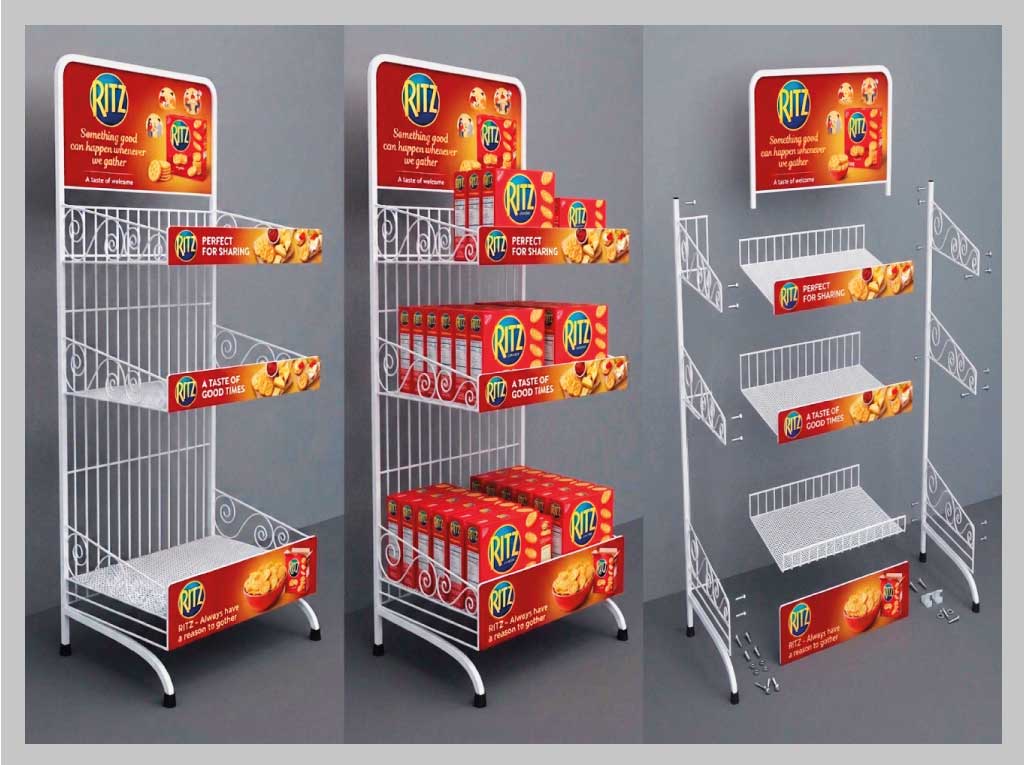
A display that ships fully assembled takes up volume that you pay for in freight and storage. A display designed to ship flat and assemble in minutes reduces costs and installation friction across hundreds of points of sale. Knock-down design, numbered instructions, and protective packaging are part of the manufacturing scope, not an add-on.
Diforma Group manufactures in Bogotá and exports to more than 18 countries across the Americas and Europe, leveraging Free Trade Agreements to avoid import duties in the United States and Europe. When evaluating a partner, ask how its logistics model affects landed cost, not just unit price.
Stage Six Puts the Display in the Store and Keeps It Working
Execution is where the project meets reality. Coordinate installation windows with the retailer, train field teams with photo guides, and define a compliance check after rollout. An empty fixture or one placed in the wrong aisle is a lost investment, no matter how well it was manufactured.
The best partners support this phase with installation services and post-launch feedback that informs the next iteration.
Three Scenarios That Show the Process in Action
A confectionery brand needs an in-store display for an impulse area near the checkout. The brief prioritizes fast replenishment and a small footprint, so engineering chooses a compact gravity-fed unit with high-contrast graphics.
A personal care brand wants a permanent secondary placement in pharmacy chains across several Caribbean markets. Durability, chain approval, and flat-pack shipping become the deciding factors, and the prototype is tested in a real store before the production run.
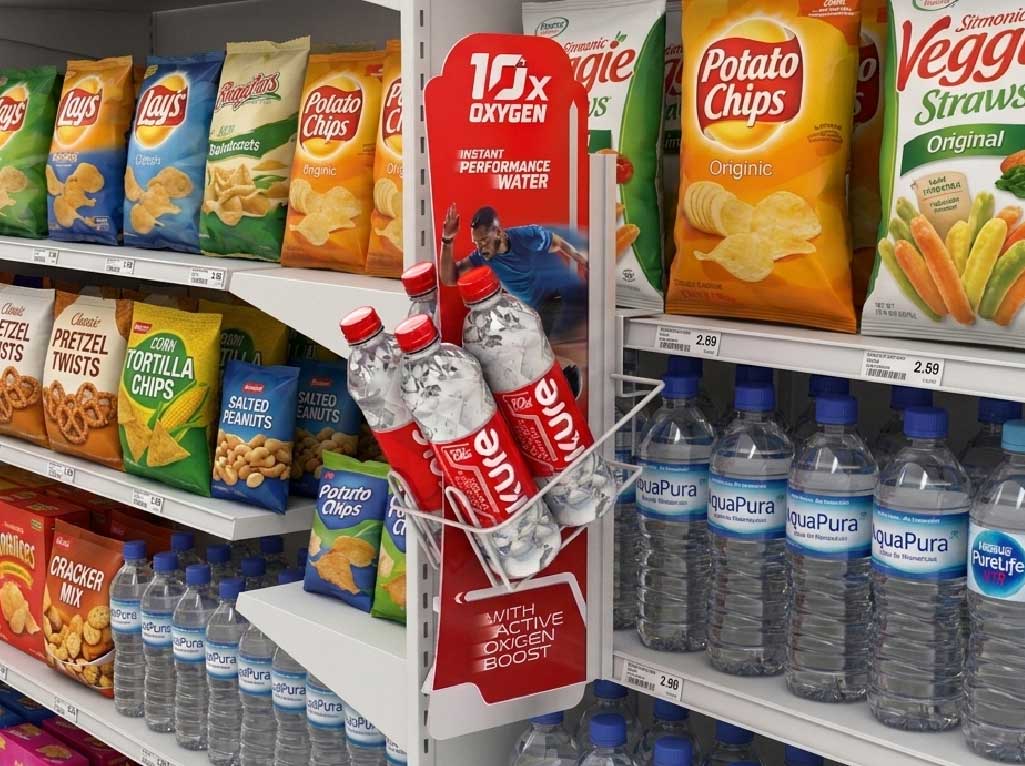
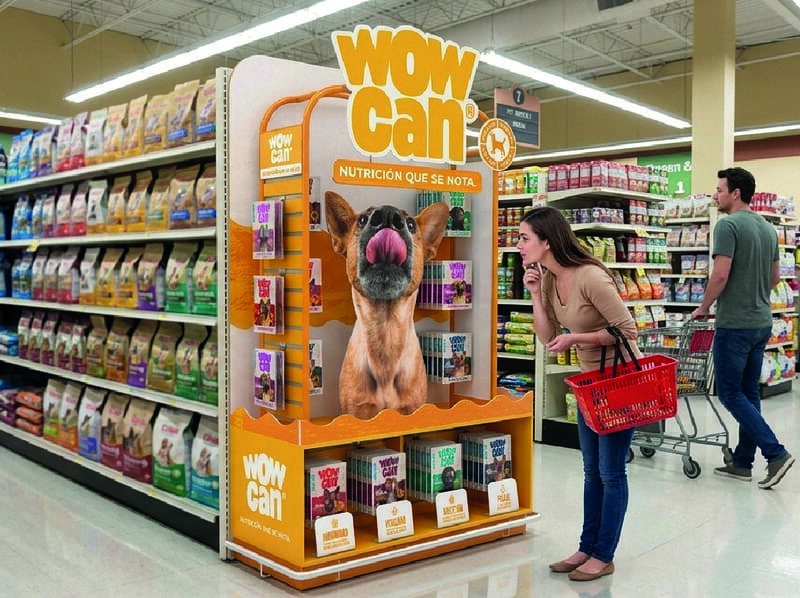
A pet food brand launches a new line and needs a side rack that attaches to existing gondolas. Weight testing and compatibility with the retailer’s hardware matter more than decorative elements.
What to Ask Before Choosing a Manufacturing Partner
Ask for references from FMCG brands in your category. Request to see a prototype from a previous project, not just renders. Confirm who owns the engineering internally and how quality is documented. Clarify lead times for design, samples, and production separately. And verify whether the partner can support you from the first sketch through installation, because handoffs between multiple suppliers are where schedules and accountability most often break down.
Take Your Next Display from Idea to Aisle
Great POP displays do not come from a good idea alone. They come from a disciplined retail display manufacturing process in which the brief, design, engineering, production, logistics, and execution are treated as one system. With more than 20 years of experience supporting FMCG brands worldwide and an Innovation and Design Center in Miami connected to its own manufacturing plant, Diforma Group works alongside your team at every one of those stages. If you have a launch, a retailer request, or a visibility gap in your calendar, share the brief and let’s build the display that solves it.