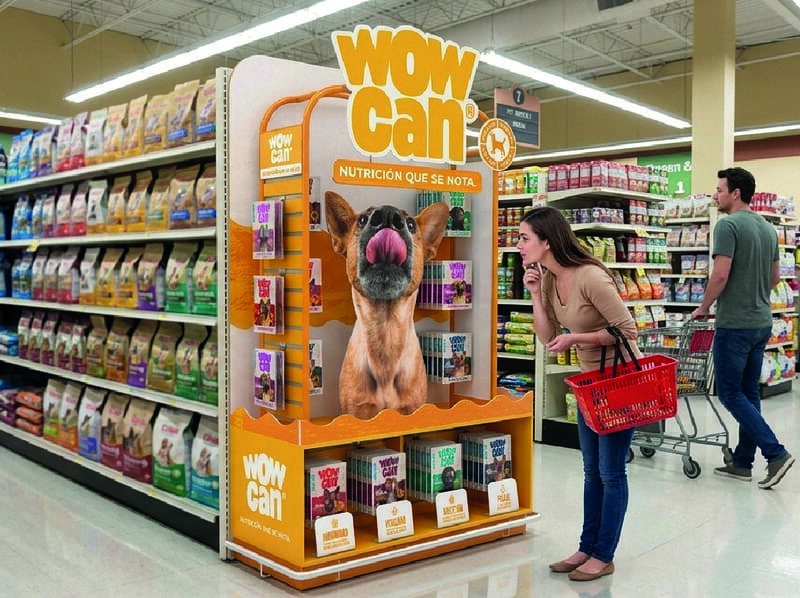
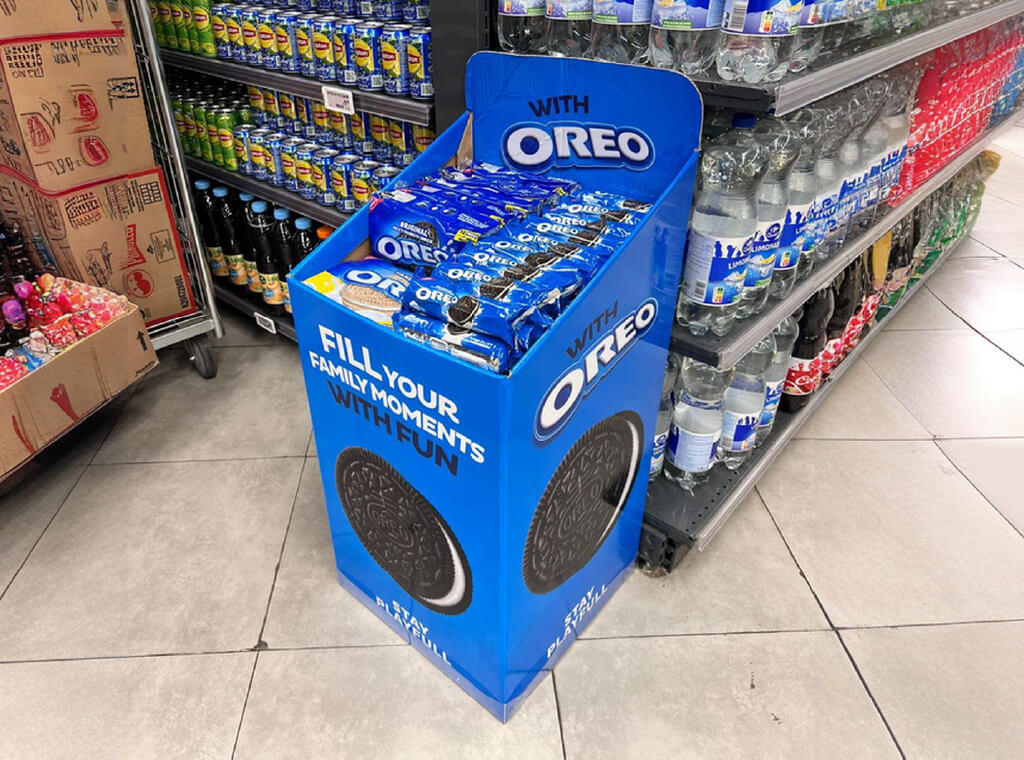
Custom PDQs matter in 2025 because shoppers increasingly expect engaging, branded, and experience-driven retail displays rather than basic packaging solutions. By combining strategic design, sustainability, and digital integration, custom PDQs boost visibility, drive impulse purchases, and strengthen brand recognition at the point of sale.
Custom PDQ displays matter in 2026 because shoppers expect branded, experience driven retail environments, not plain corrugated boxes cut open at the top. When design, sustainability and shopper data come together, custom PDQs increase visibility, trigger impulse purchases and reinforce brand recognition exactly where the buying decision happens.
In a crowded store, attention is the scarcest resource your brand competes for. Product Display Quantity units have always been a fast, affordable way to move product from the warehouse to the shelf. Traditionally built from corrugated board, they act as master packs that convert into ready to sell retail display units at end caps and high traffic zones.
What has changed is the expectation. Retailers no longer approve generic trays, and shoppers no longer notice them. That is why more FMCG brands now brief agencies for tailored custom POS display solutions built around a specific product, category and store format, rather than ordering a standard size and hoping it performs.
What Custom PDQ Displays Actually Are
A custom PDQ is a display designed around your brand identity, your commercial objective and the physical reality of the store. It arrives pre packed, opens in seconds and becomes a selling unit without extra labor for the retailer.
Standard PDQs solve logistics. Custom PDQs solve merchandising. They incorporate structural design, premium finishes, brand storytelling and, increasingly, interactive elements that give the shopper a reason to stop.
That distinction matters because point of purchase displays are the only brand touchpoint that reaches the shopper at the moment of decision. Everything else, from social media to television, happens before the trip. The display happens during it.
You may be interested in: Interactive retail: tailored digital video for end-caps
Custom Retail Display Manufacturers
Ready to boost in-store impact?
Let’s design a customized POP display that makes shoppers stop, look, and buy. From concept to production, we bring your brand to life at the point of sale.
Tell us your product, retail channel, and campaign timeline — we’ll recommend the best display format.
What you’ll get
- Display concept aligned with your brand
- Material & structure recommendations
- Production-ready plan and timeline
How Custom PDQ Displays Drive Sales and Brand Recognition
They interrupt shopper autopilot
Most supermarket trips are habitual. A well designed display placed at an end cap breaks the pattern and redirects attention toward a featured SKU, a promotion or a new launch.
They make branding consistent across the store
When your colors, tone and key message repeat across cardboard display stands, secondary placements and checkout units, brand recall compounds. Fragmented design does the opposite: it spends budget without building memory.
They convert consideration into impulse
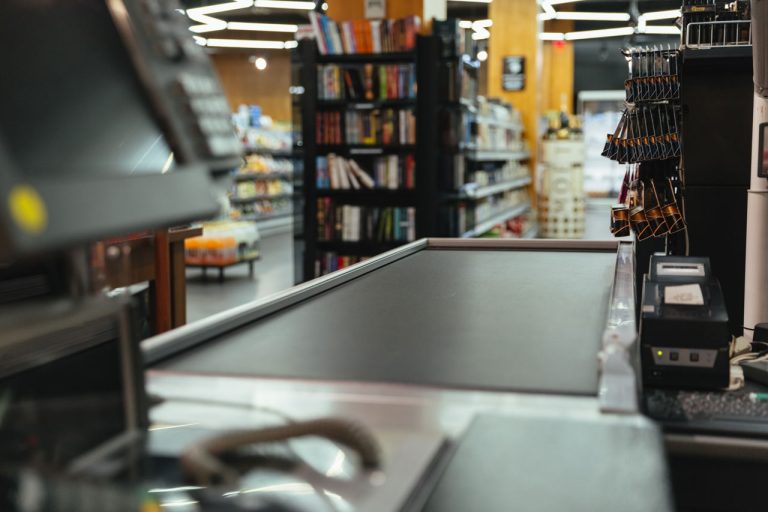
Convenience drives unplanned purchases. A product presented at the right height, with a clear price message and easy grab access, removes friction. Small format countertop display units near the register are particularly effective for low ticket, high rotation items such as confectionery, batteries, personal care and single serve beverages.
They protect floor space efficiency
Retailers measure every square meter by sales per unit of space. Displays that hold volume without blocking circulation get approved and, more importantly, get replenished.

LA BOULANGERE FLOOR DISPLAY
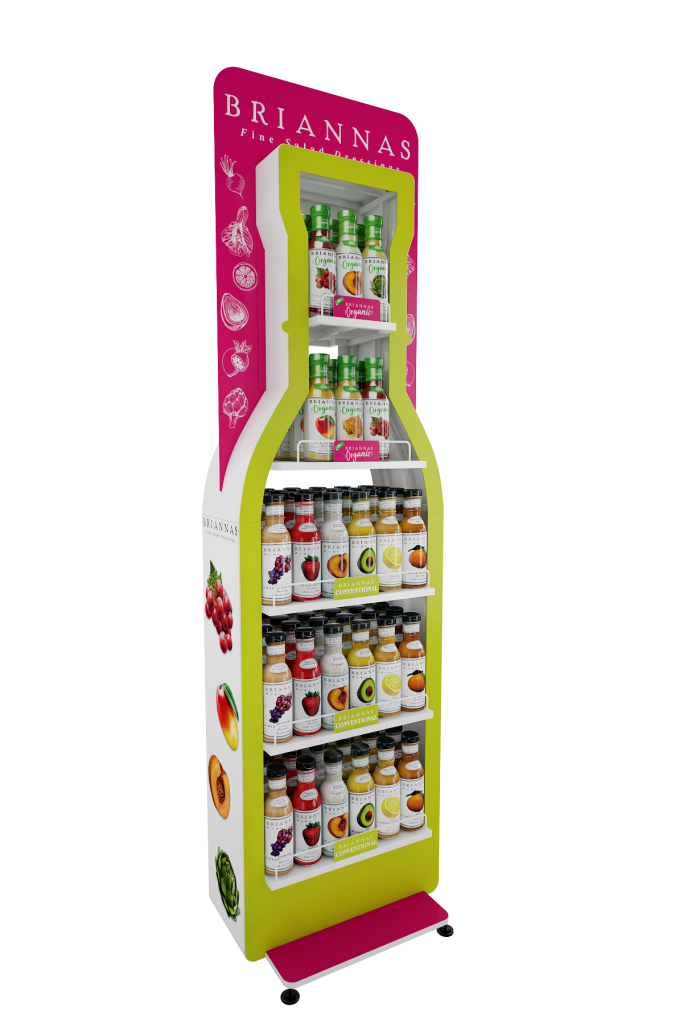
BRIANNAS FLOOR DISPLAY
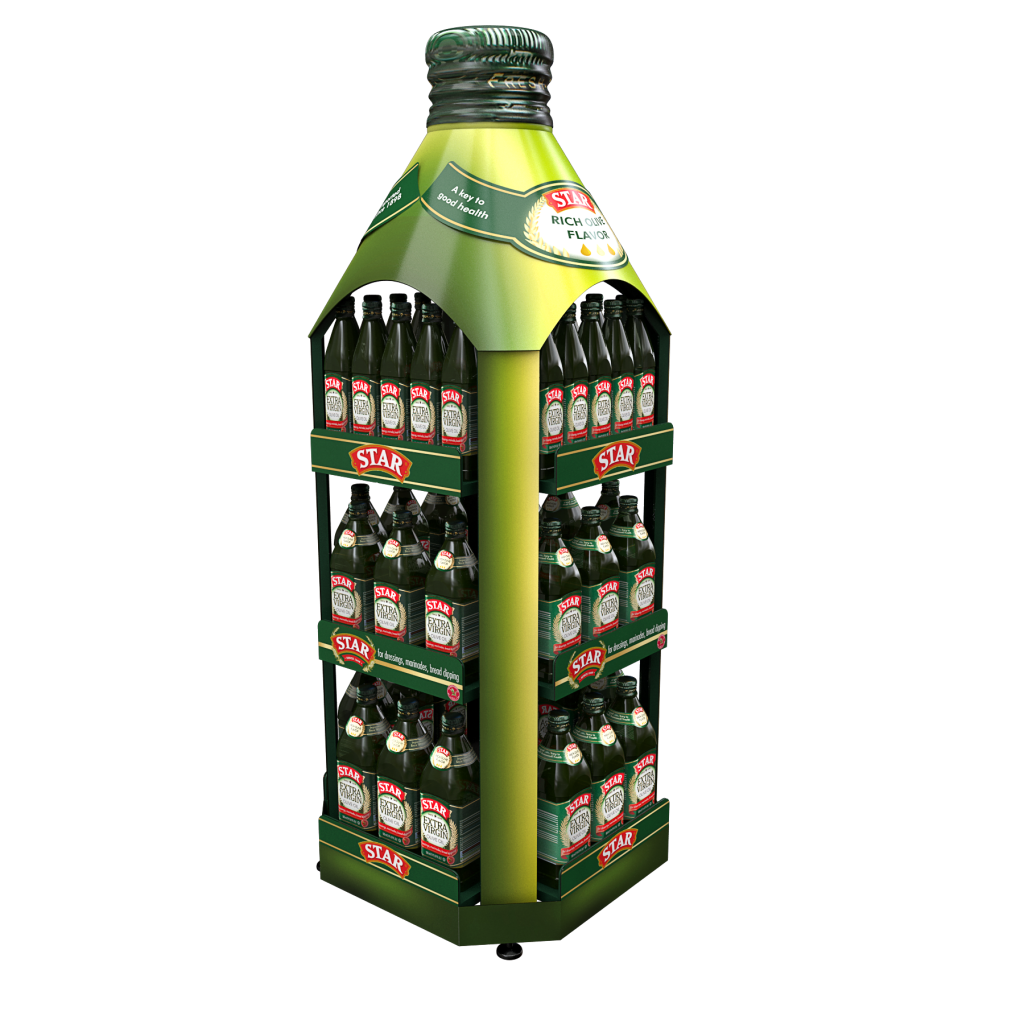
BORGES FLOOR DISPLAY
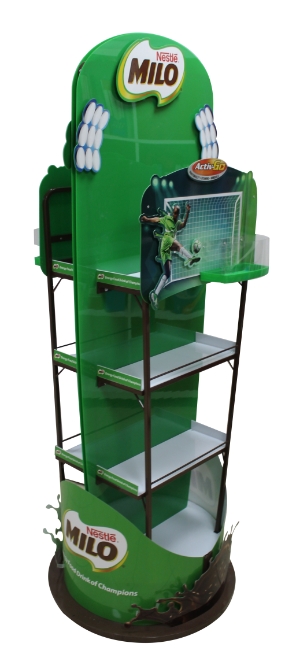
Milo Floor Display

Fernleaf DUMP BIN DISPLAY
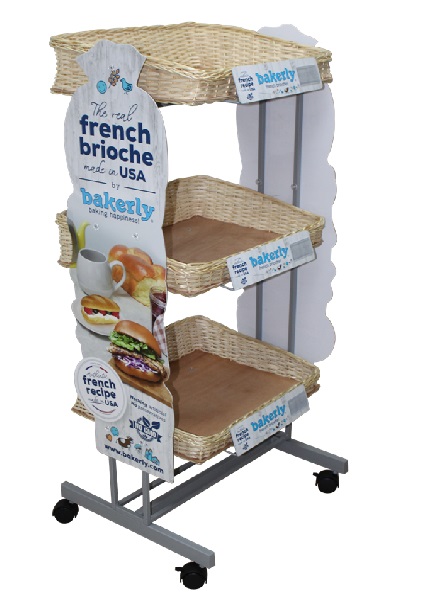
French Brioche Floor Display
Choosing the Right Format for the Right Objective
Not every activation needs a full floor stand. Matching format to objective is where most brands lose margin.
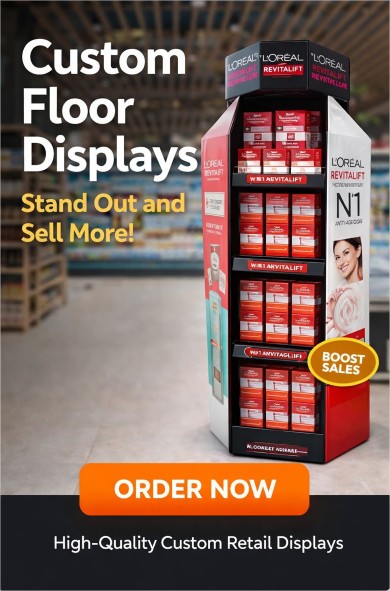
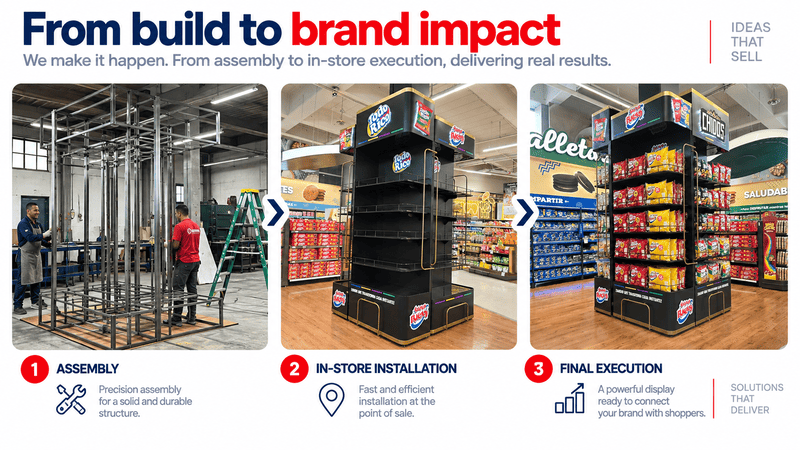
Use cardboard display stands when you need volume and visual impact for a seasonal push or a launch. They dominate a zone and carry enough stock to justify the placement.
Use countertop display units when the objective is impulse conversion on small items and the available space is limited.
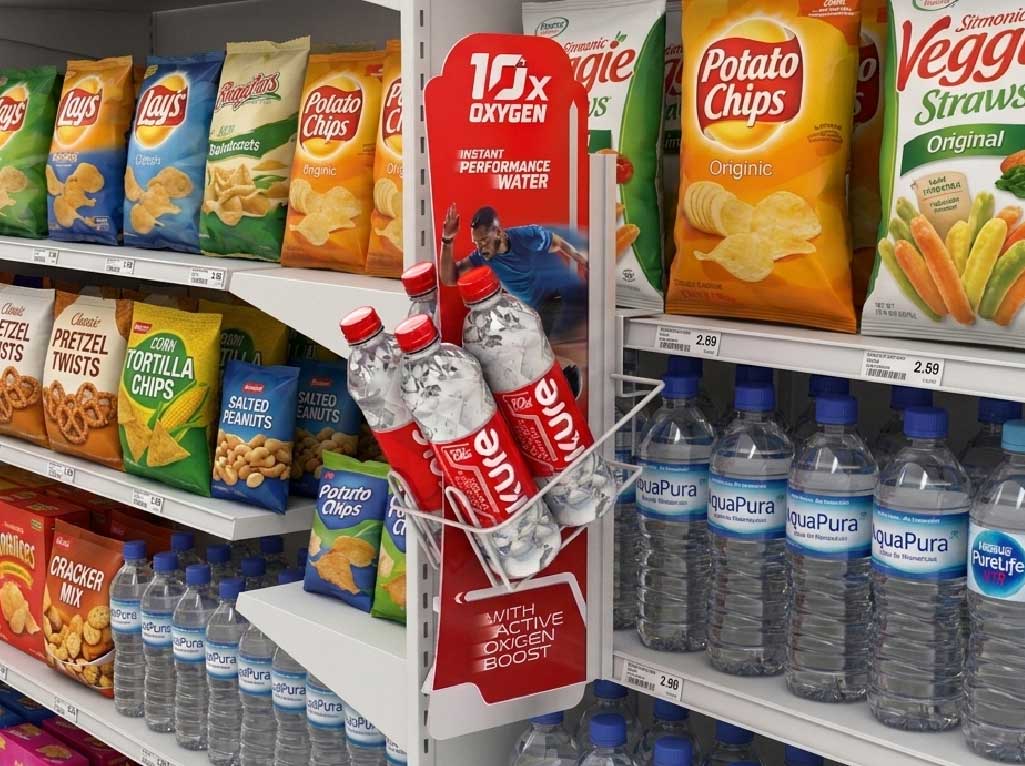
Use shelf ready packaging when the priority is speed of replenishment and shelf presence in the primary category. Well designed shelf ready packaging reduces stocking time, keeps facings aligned and prevents the messy shelf that quietly costs you sales.
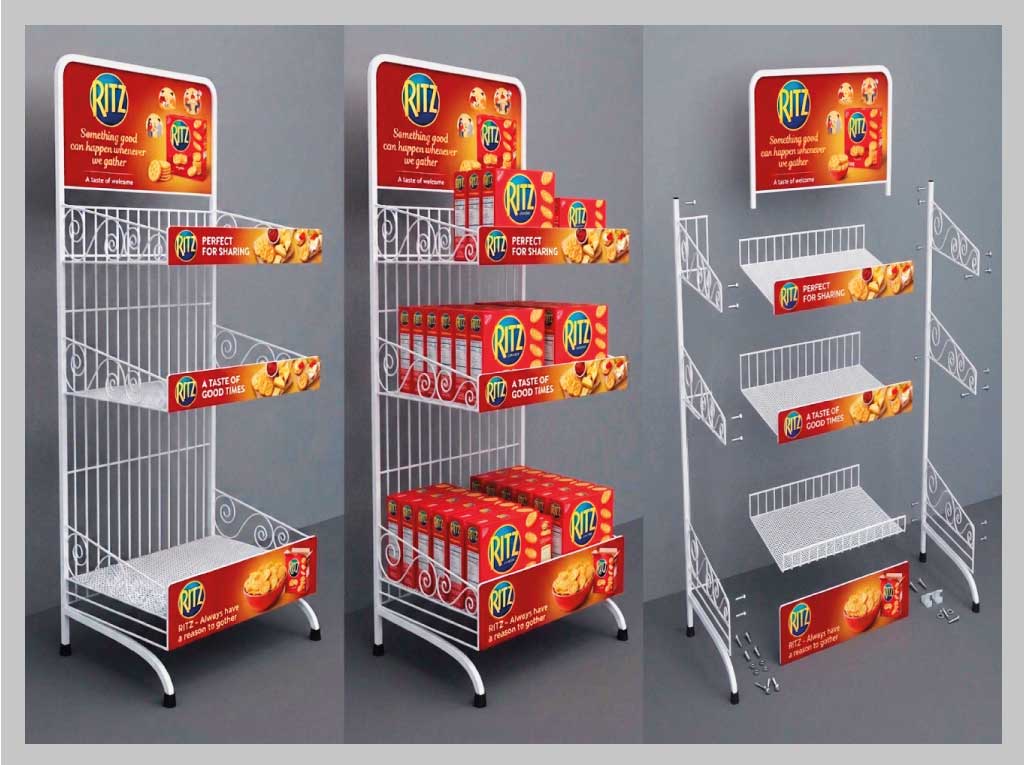
Use modular retail display units when the same activation must work across different retailers with different space allowances.
Working across markets in Europe and Latin America for more than twenty years, Diforma Group has seen the same pattern repeat: the display that performs is rarely the most expensive one. It is the one designed for the specific store format it will live in.
What Is Changing in 2026
Sustainability has moved from preference to requirement. Retailers request recyclable mono material structures and lower grammage. Brands that plan this early avoid redesign costs later.
Technology is entering the display. QR codes, NFC and compact digital screens connect the physical shelf to product information, promotions and first party data capture.
Personalization is becoming operational. Store level data allows different creative, different sizes and different assortments by cluster, instead of one national execution that fits nobody perfectly.
Speed to shelf defines the winner. Production lead times now shape which campaigns are viable, so structural design and manufacturing capacity need to be part of the conversation from the first briefing.
Is Your Brand Getting Full Value from Its POS Investment?
Ask yourself three questions before your next activation. Does your display look like your brand from three meters away? Can a store employee assemble and fill it in under a minute? Do you measure sell out per display, not just units shipped?
If any answer is uncertain, there is performance sitting on the table. Standardized trays will keep moving product, but they will not build preference.The brands that treat point of purchase displays as a designed brand experience, rather than a packaging line item, are the ones consistently winning secondary placements and repeat retailer approval. That is the real advantage worth planning for in 2026 and beyond.